
Adrienne and I went to a sneak preview of Black Hawk Down last night. I didn't go in cold exactly, I'd heard about Mark Bowden's book and knew the broad strokes of what happened in Mogadishu in 1993, but I wasn't prepared for how impactful the movie would be.
The setup is this: the U.S. sends special forces into Somalia in 1993, the mission being to grab a couple of lieutenants loyal to a warlord who's been blocking food aid from reaching the population. Black Hawk helicopters lower the soldiers in. Almost immediately two of the helicopters get shot down, and from that point forward the whole operation is about one thing: getting to the crash sites and getting everyone out. That's it. The rest of the movie is two and a half hours of sustained, grinding combat in the streets while that plays out.
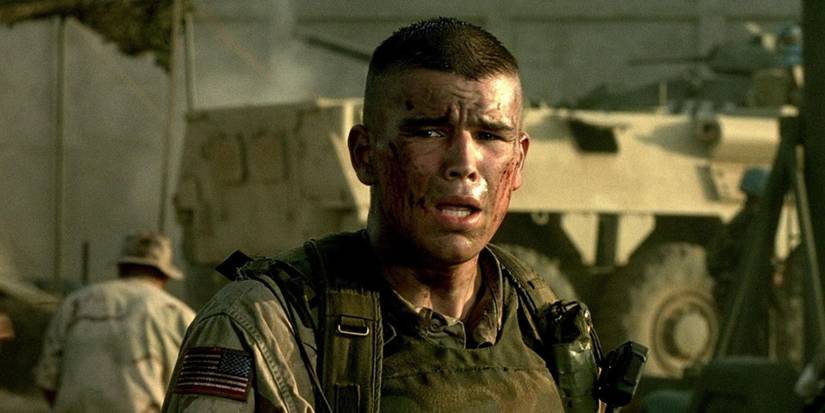
It's long. Close to three hours. But the runtime helps make the point. You feel the exhaustion. You feel the weight of every decision to push forward instead of pull back. I've heard the phrase "we never leave a man behind" and I always understood it as a kind of slogan. Watching this movie, I finally understood what it actually means in practice: it means you keep going back into the same street that just chewed up the last group, because someone is still down there. That was one heck of an eye opener.
Ridley Scott who has directed some of my favorite movies like Alien, Blade Runner, Legend, and most recently Gladiator, brings the same physical intensity here, except there's no shine to it. It's loud and close and ugly and relentless. The cast is huge and the characters blur together at times, which I think is intentional. These aren't heroes getting their individual moments. They're soldiers in a situation that stopped being manageable about five minutes ago.
If you like war films at all, this one is recommended.
