
No other movie has captured my imagination the way Blade Runner did from its opening frame. The camera drops you into a Los Angeles that's dark, wet, and enormous, and Vangelis hits immediately. That score doesn't ease you in, it just takes over. I was hooked before anyone said a word.

The story is a neo-noir detective case. Deckard is a cop pulled back into service to track down a handful of replicants, engineered humans who've gone rogue and made it back to Earth. His job is to find them and retire them. That's the job. What the movie does with that setup is where it gets interesting. It keeps turning the moral question around. The replicants want more life. They're scared of dying. They feel things. And Deckard, the man hunting them, starts to look less and less like the hero the genre usually gives you.
Ridley Scott builds the world so completely that it stops feeling like a set. Every frame is packed with something to look at: the neon, the rain, the crowds, the decay layered on top of corporate gloss. It's a place you believe in even when it's doing something you've never seen before.
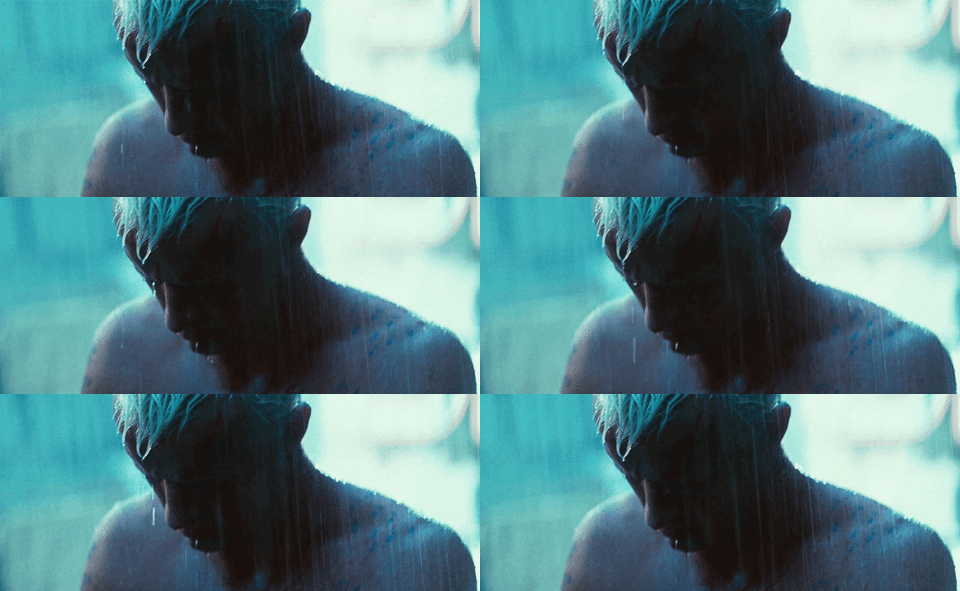
But the reason the film lives in my head after all this time is Rutger Hauer. His Roy Batty is the thing that should be the villain, and by the end he's the most human person in the movie. The tears-in-rain speech is two minutes long and it lands harder than most films manage in two hours. Hauer sold the whole thing: the grief, the wonder, the acceptance. It's one of the great monologues.
Recommended.
