
I came to this through Frank Miller's Daredevil run. That book had me hooked, and a big part of it was the Hand. Ninjas, a street-level hero, brutal choreography in the panel layouts. When Ronin issue one hit the stands in the spring of 1983 I had to have it. Samurai plus a dystopic future plus biocircuitry and psionic powers, printed on heavier stock than anything else I was buying at the time. It felt like something important was happening. It was the first thing I ever read with Miller's name on the cover, and I was not prepared for how strange it was going to get.
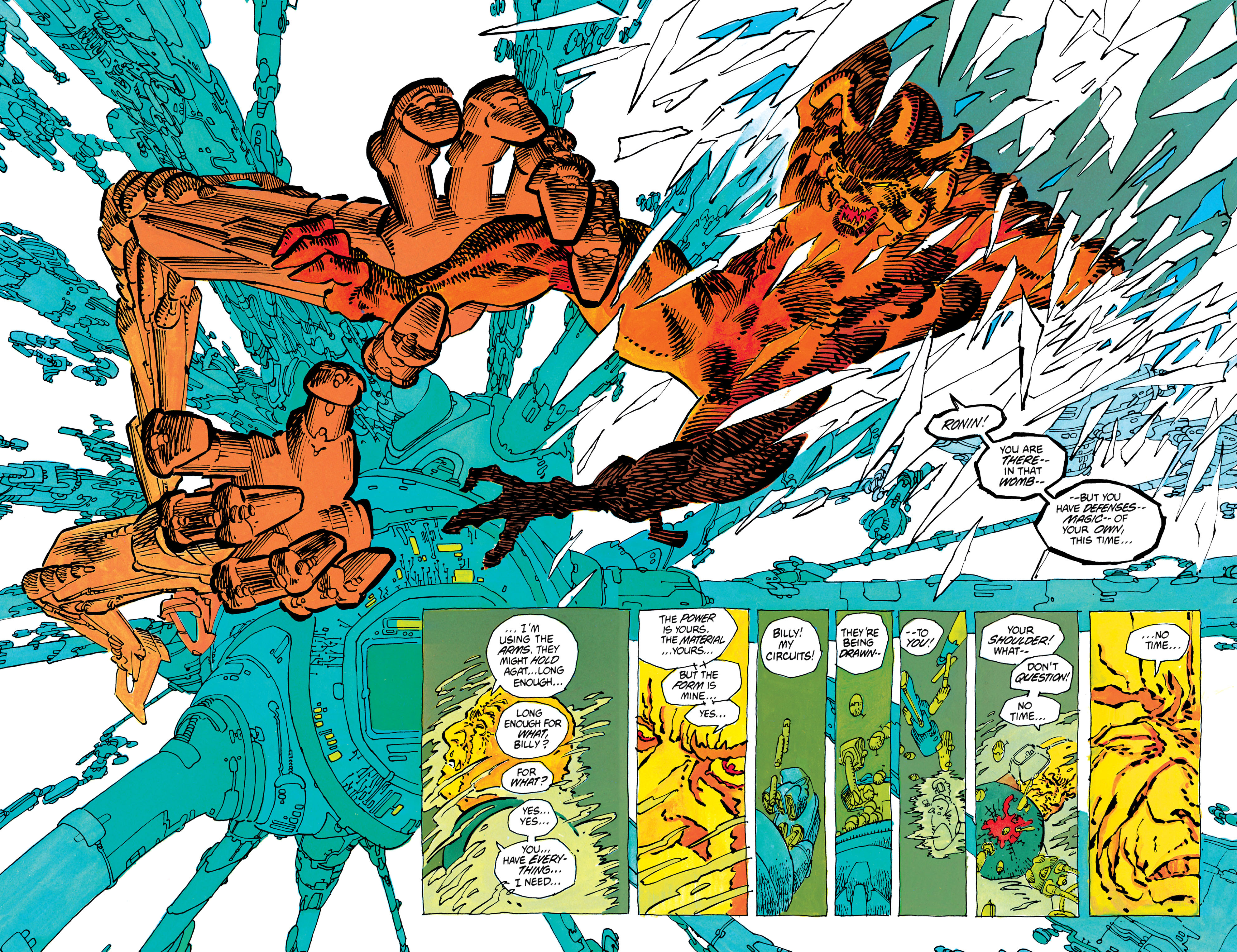
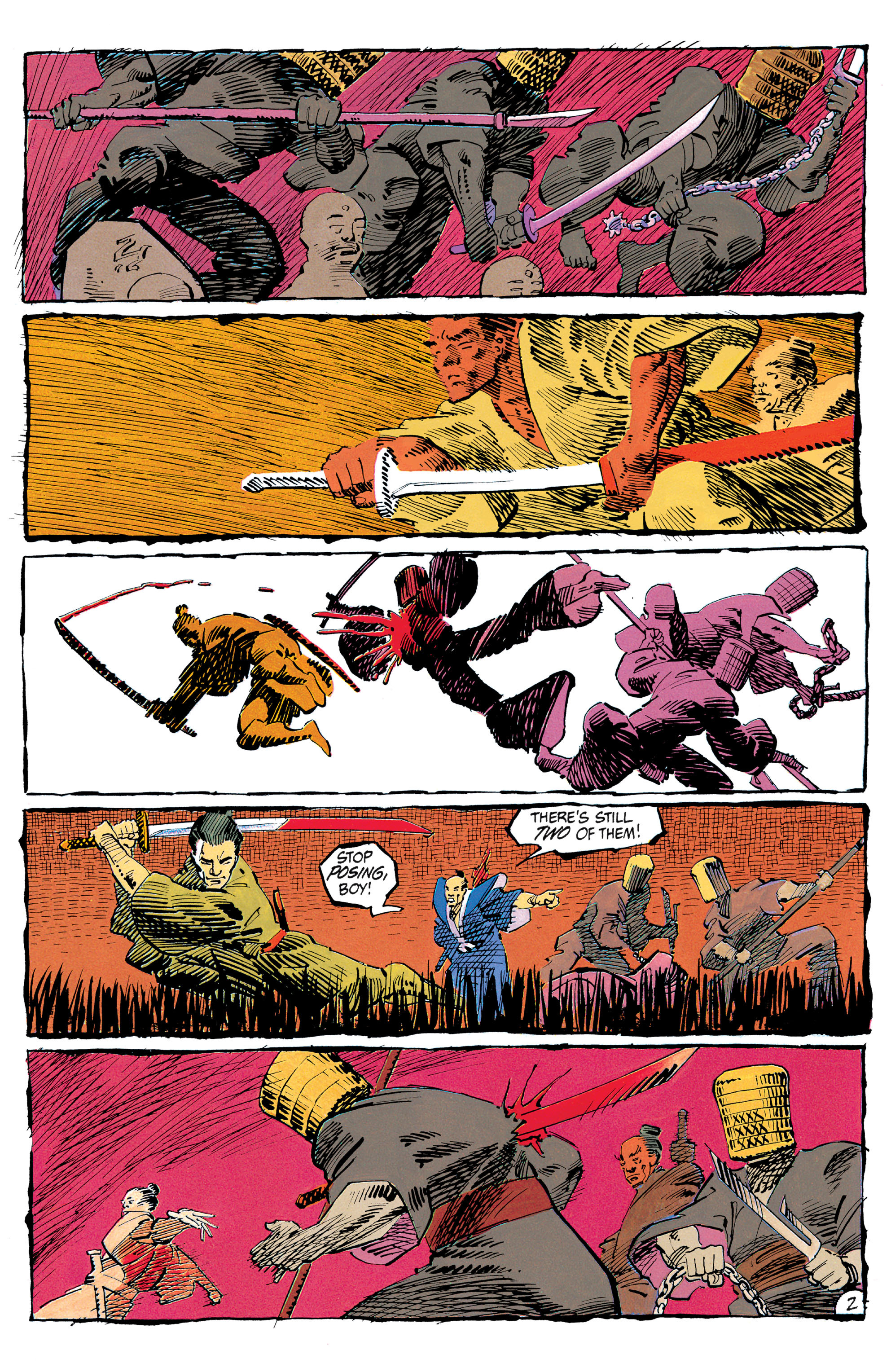 The setup splits across two timelines. In feudal Japan, a masterless samurai tries to avenge his lord against a demon named Agat and ends up bound to Agat's sword, both of them locked inside it for centuries. In a future Manhattan that's mostly a ruin, a massive biotech corporation called Aquarius runs a self-contained arcology. A young man named Billy, born without limbs and raised inside Aquarius, has psionic abilities nobody fully understands. The sword surfaces, the ronin is reborn through Billy's body, and then things get weird in ways that keep escalating. Agat is loose in the city. The corporation has its own agenda. Reality starts bending. By the end Miller is doing something closer to a fever dream than a straightforward action story, and the question of what is actually happening is not a puzzle with a clean answer.
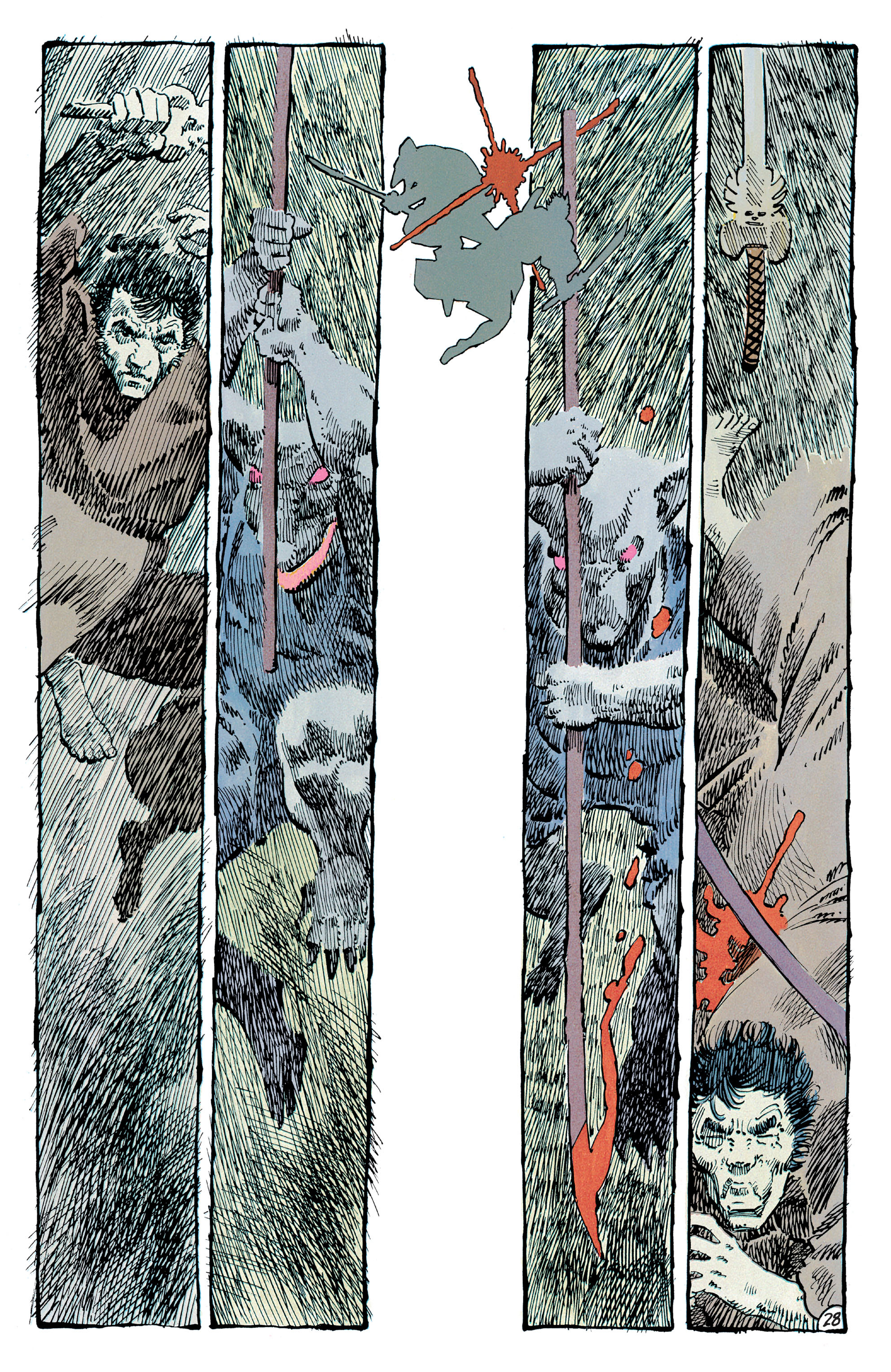 What I remember most from reading it as a teenager is the pages themselves. Miller was doing layouts that had no equivalent in the Marvel and DC books I was pulling every week. Panels that bled into each other, full spreads used for impact rather than spectacle, a visual rhythm that felt borrowed from manga and European comics more than anything American. Lynn Varley's color work matched it. The palette was deliberate and strange in ways that made the future sections feel genuinely alien.
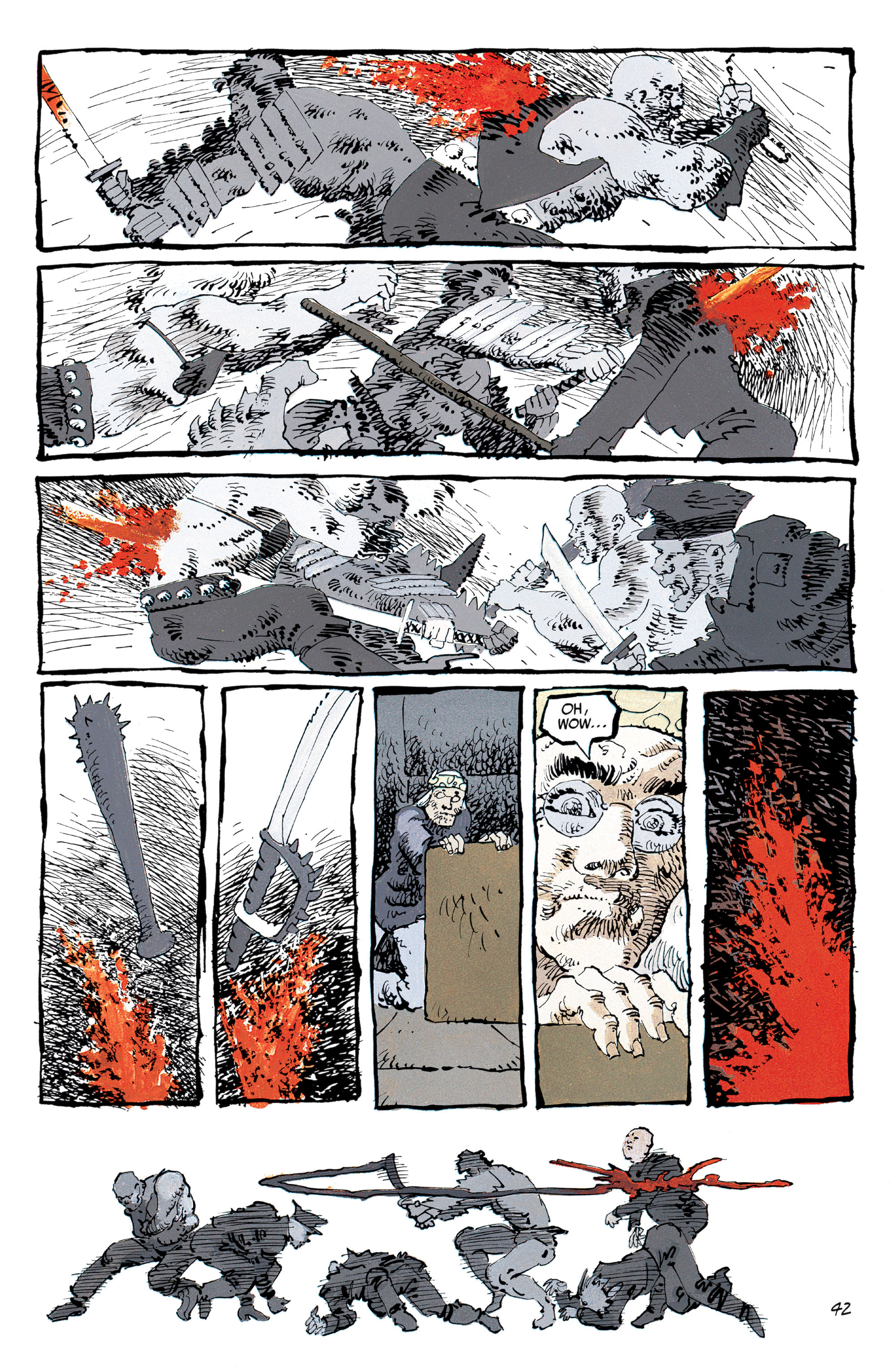
The story gets messy in the back half. Miller is swinging for something ambitious and he does not always connect. But the ambition is the point. In 1983 nobody in mainstream American comics was making something that looked or felt like this. It was weirder and more serious and more visually adventurous than anything sharing shelf space with it. Coming back to it now, some of that messiness is still there, but so is everything that made it feel important the first time.
Recommended.
